
Posts by Ali Crumpacker
Ode to the Onion – Chimps Love Onions
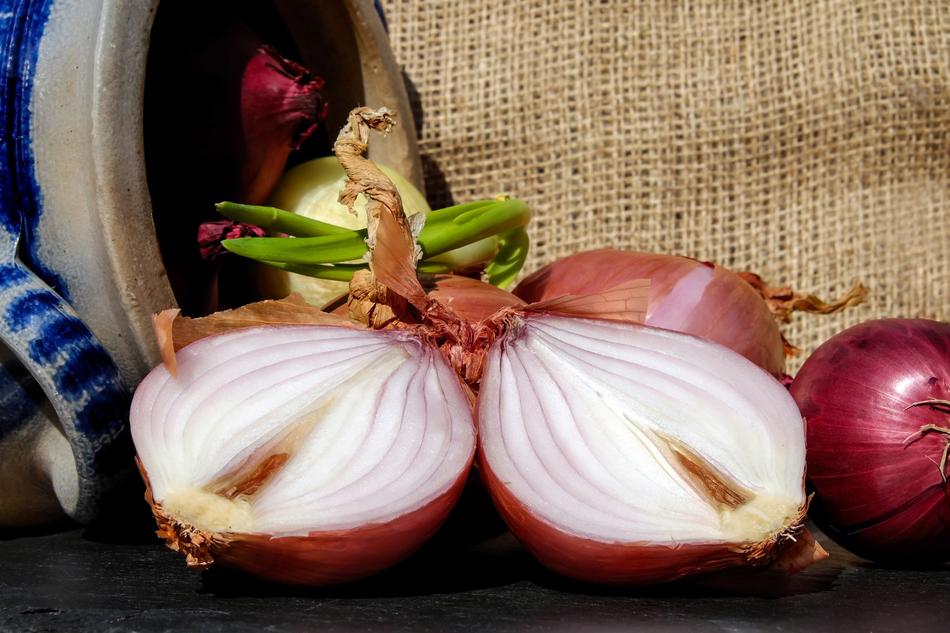
Chimpanzees’ eating habits are determined based off of their social rank. When observing chimpanzee foraging customs, it helps us learn more about their mannerisms.
Read MoreThe BOT Tool to Track Abnormal Behaviors
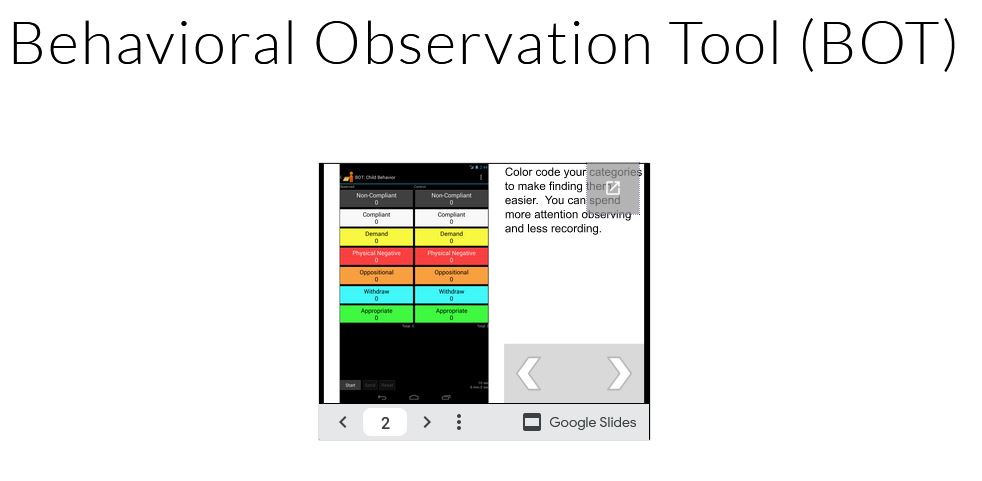
Kate’s job as Behavior Coordinator at Project Chimps is to observe and assess chimp behavior as well as run the Positive Reinforcement behavioral training program. Kate closely with the chimpanzees and caretakers to monitor the well-being of the chimps and determine whether or not there are any signs of abnormal behavior
Read MoreAbnormal Behavior in Chimpanzees
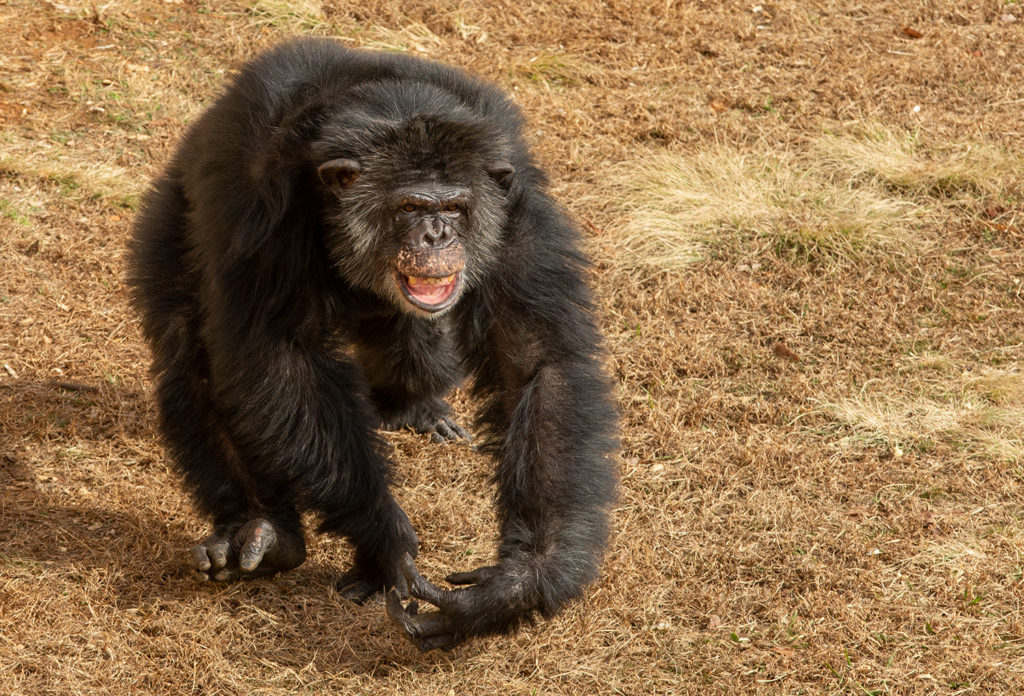
One way sanctuaries and zoos gauge a chimp’s emotional and physical well-being is to look for signs of abnormal behavior. Abnormal or atypical behaviors are scientific terms that describe behaviors that are often indicative of stress.
Read MoreSafety Drills are Fun n’ Games

June is National Safety Month. At Project Chimps, we use safety drills to prepare for scenarios that we hope will never actually happen. And, while these hypothetical scenarios are serious, we do our best to make the drills fun!
Read MoreSunbathing like a chimp – yes, they do get tan!
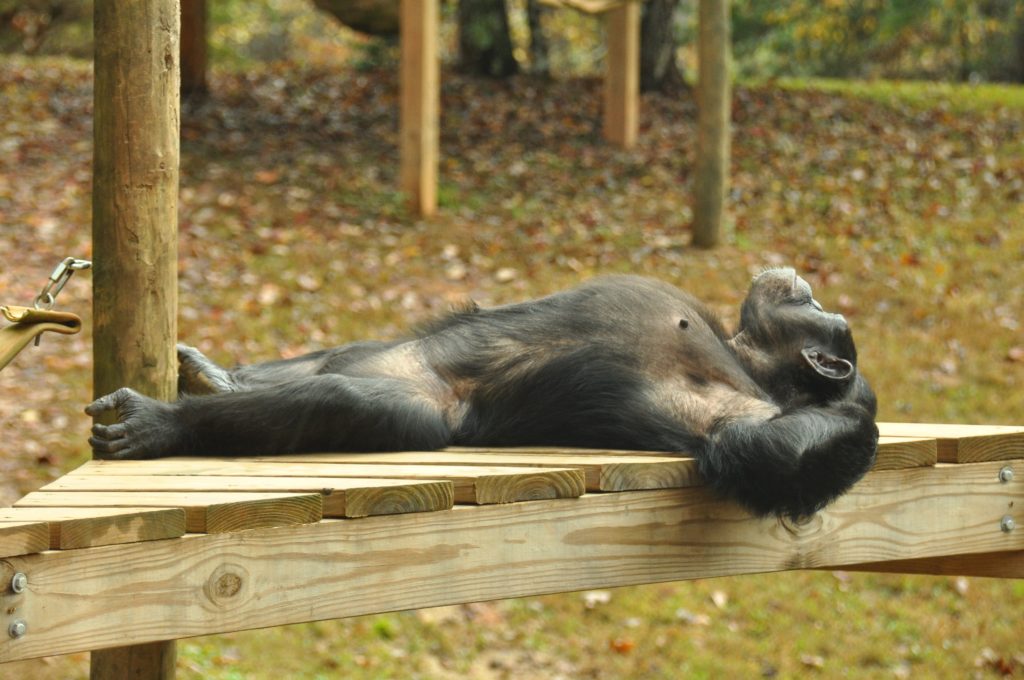
Chimps are extremely similar to humans. They may look different, but we share many similar mannerisms, including sunbathing. Learn more about our similarities with chimpanzees.
Read MoreSpit and Spatter
A well-known behavior of chimpanzees is their act of spitting and, you guessed it – throwing poop. But why do they spit and spatter?
Read MoreTriggs honors ‘Jane and Flint’ with mural

Nell Triggs combined fond childhood memories with her professional career in her mural “Jane and Flint” inside a Project Chimps villa.
Read MoreTopical Wound Therapy for Chimps

With antibiotic resistance on the rise, it is more important than ever to use drug therapy wisely. Chimpanzees have amazing powers to heal, out in the wild wounds would have to take care of themselves. But Collin is not in the wild, he is under our care at Project Chimps.
Read MoreA Harvest for chimpanzees
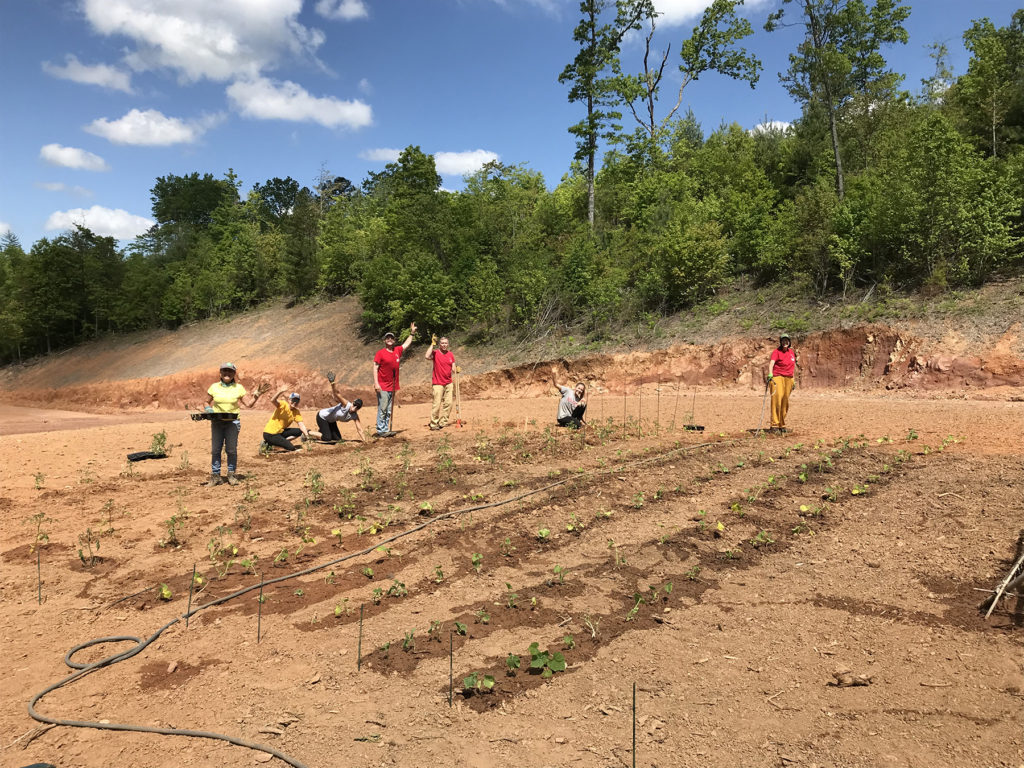
There’s no denying that chimps love to eat! Here at Project Chimps, their diet consists of fruits, vegetables, nuts and seeds. In addition to daily breakfast and dinner services where each chimp gets a full meal, caretakers also scatter different food items like cabbage, nuts, seeds, carrots and tomatoes over their enclosures for lunch and dinner enrichment. This allows the chimps to engage in one of their natural behaviors — foraging.
Read MoreA Matter of Chimp Poop

Perhaps dealing with chimp feces isn’t the most glamourous part of a chimpanzee caretaker’s day, but it’s certainly one of the most important. Like in other species (including us!), fecal consistency is a great indicator of overall health, so, caretakers must constantly assess the quality of, well, chimp poop!
Read More