Rosemary and Lindsey get a visit from a former Caregiver now at the Oakland Zoo
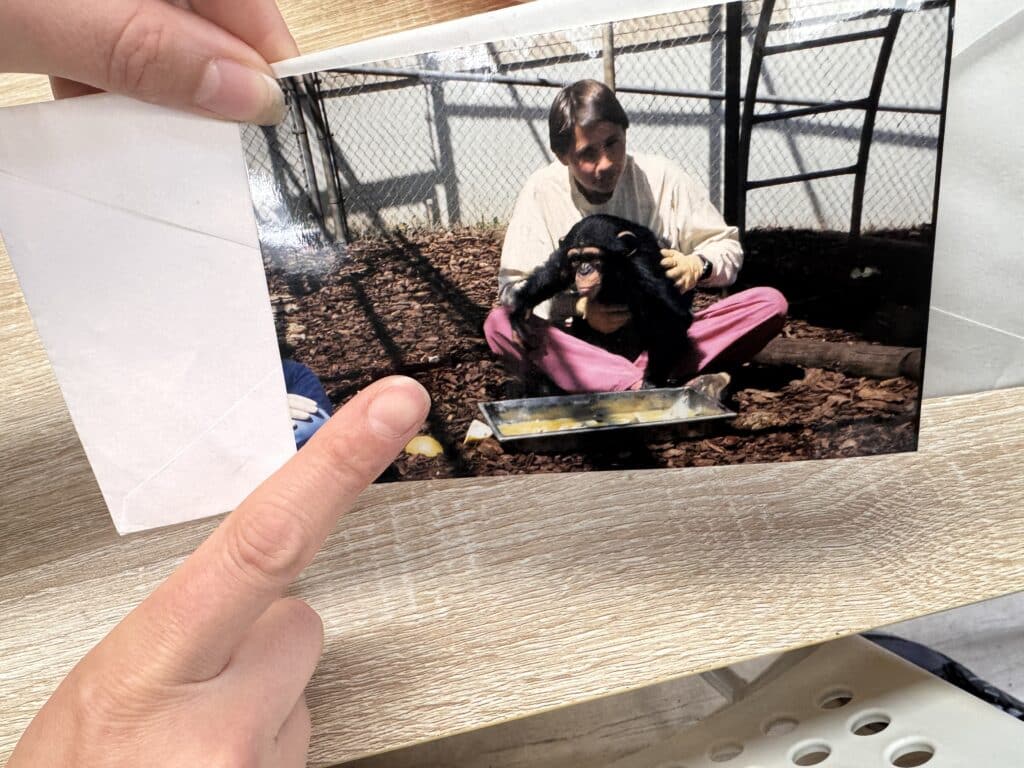
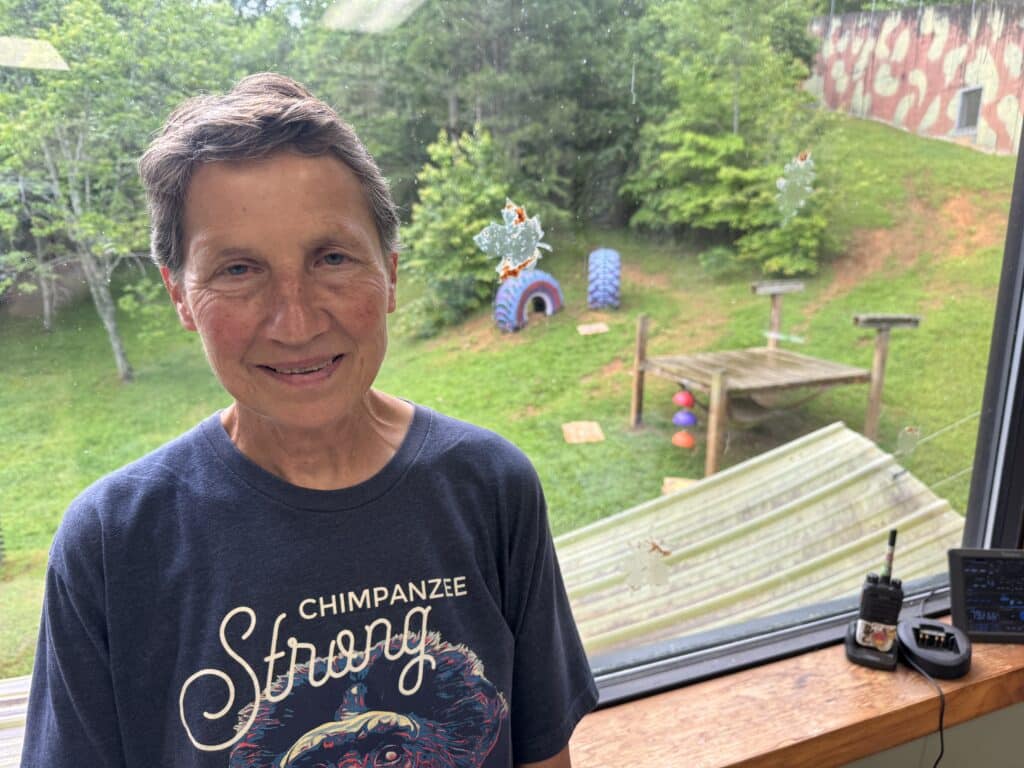
June 10, 2025, Kelly McDonald from Oakland Zoo in California visited Project Chimps and went on a tour with Holly Lickteig, Manager of Husbandry. Kelly has been working with chimps since about 1981 and has experience working at both Yerkes National Primate Research Center (now the Emory National Primate Research Center) and the Oakland Zoo. The trip was special for Kelly as she cared for Lindsey and Rosemary when they were very young and got to see them enjoying life in their forever home at Project Chimps. The following is an interview with Kelly and Holly L., conducted by Holly Chadwick, Digital Content Coordinator. Holly Chadwick’s questions are labelled as “Hollywood,” her radio call name, for less confusion.
Hollywood: Tell me Kelly about your career, like, how’d you get started, how you two know each other, and then what you’re doing now.
Kelly: I graduated from college with a degree in psychology. I had no idea what I wanted to do with it. I heard about a language project in Atlanta. I wrote to them to see if they had a job cleaning cages. They invited me out for an interview. I got the job amazingly, as I was in the right place at the right time. I stayed there for about nine years and worked 25 hours a day, eight days a week. Got completely burned out, took a three-year break, went back to Yerkes and worked in the nursery there.
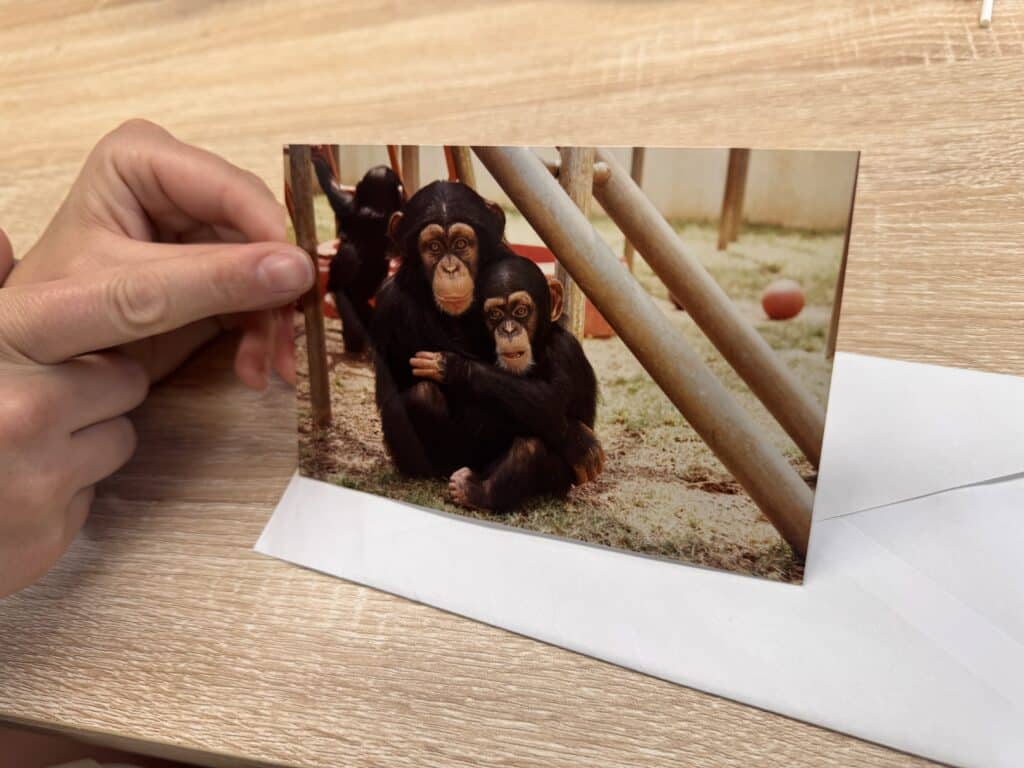
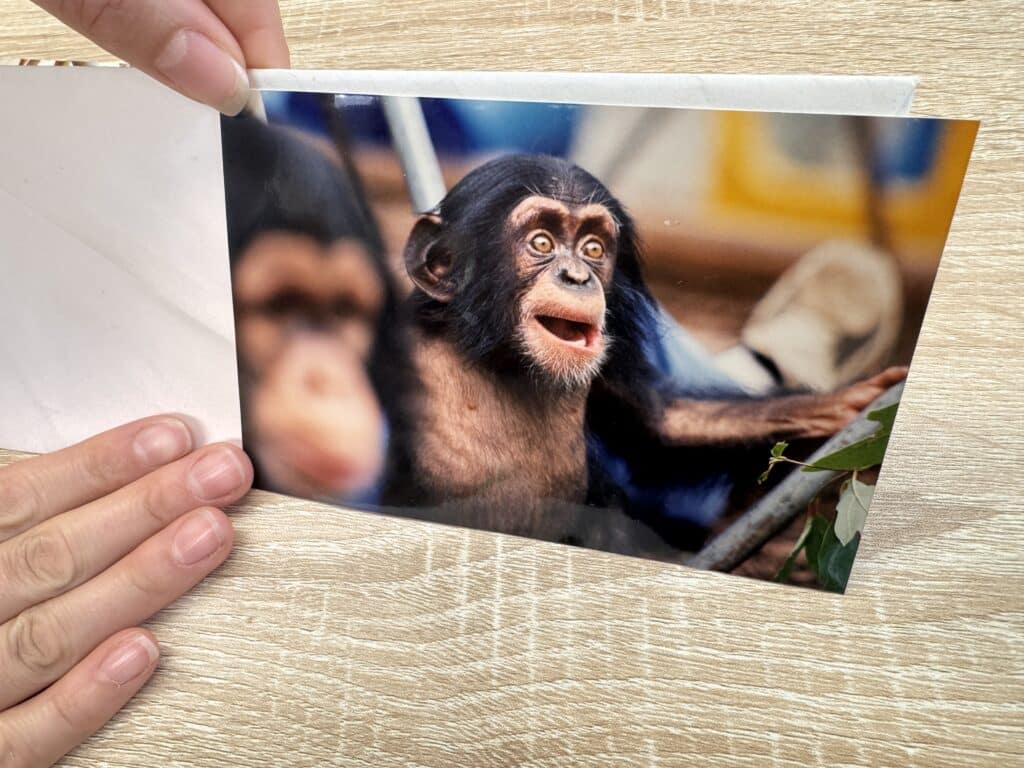
That’s where I was a part of a behavioral research program called Behavioral Responsive Care, where the idea is to encourage and nurture species’ typical behavior. With the chimps that were in the nursery that were not mother raised. Lindsey and Rosemary (chimps now at Project Chimps) were two of my subjects there. I got to know them there.
Hollywood: What were they like there?
Kelly: They were born a day apart, so they were together. They were also with another male named Wilson, who was a month younger. They were in a trio.
Lindsey was extremely competent, very social. And physically competent. Sometimes she kind of had an attitude of, “my God, what’s happening now, but then okay, we’ll deal with it.” Rosemary was a little bit more outgoing, like “oh, cool. What’s happening?” Very thoughtful, very sensitive, wore her heart on her sleeve. But the two of them were, were always together.
Hollywood: What did you do after that?
Kelly: I would’ve loved to stay there, but our grant didn’t get renewed. We had a young chimp come into the nursery unexpectedly. They had cut back on breeding a lot for the HIV studies.
Chimps did not develop AIDS till 12, 13 years later. We had one chimp come into the nursery unexpectedly, with an eye injury named Caramia and, she was a year younger than the youngest chimp in the nursery, so it was not feasible to put her in with anybody, so she had to be by herself.
Meanwhile, another chimp at the Oakland Zoo named Amy was born two months later. Her mother didn’t know how to take care of her, so she was being hand raised. Long story short, we decided to bring Caramia to live with Amy. I was about to lose my job. They needed to hire another chimp keeper because of the hand raising. I brought Caramia to them. They gave me a job.
Hollywood: And you’ve been there since?
Kelly: And I’ve been there since, yeah.
Hollywood: Tell me about Oakland versus here.
Kelly: When I started, it was a very small kind of everybody together kind of zoo. We were hand raising two baby chimps and we were hand raising a baby elephant at the time. It was a lot of volunteer hand raising stuff. You know, it’s expanded. It’s become a little bit more corporate, but my focus is always just the animals. And I’m, I try to make sure that, that no matter what, that’s who I’m gonna fight for. I’ve continued to advocate for them. That’s what I feel like my job is. The one huge difference is you do have visitors here (occasionally at Project Chimps). We have visitors all the time and we depend on that for revenue.
Trying to educate visitors a little bit more in terms of what’s appropriate to do with the chimps or any of the animals and what’s inappropriate. And they’re not just entertainment. These are living, breathing beings that have feelings and all that stuff. I kind of like this atmosphere where they have visitors, but a few at a time, you know, so that’s really nice. I love the big outdoor areas and the huge indoor areas. Really nice.
Hollywood: How do you two meet?
Holly L.: I was an intern at the Oakland Zoo between my junior and senior year of college for undergrad. in 2013, I was also a psychology major, trying to find my way, and really wanted to work with animals.
My undergrad was in Oakland, so I ended up doing a summer internship at Oakland Zoo to see if that was like the path I wanted to go with. And then luckily got into the primate section and met chimps for the first time and I worked with Kelly. Once I met chimps it was like, that’s it, that’s where I’m gonna be.
And my senior year I applied to grad school and then, been with chimps since. That internship, that was great.
Hollywood: Do you have a favorite chimp now?
Kelly: Never. Not gonna say I have never had a favorite chimp. I just, I love all of them every single one I’ve ever worked with for their individual differences. There’s always something so cool, uniquely individual about them.
Hollywood: Tell me a story about one of them that makes ’em really unique?
Kelly: One of my favorite stories to tell guests is, we have a chimpanzee named Andy. She was also born at the Yerkes Research Center. She and Lindsey’s brother Moses came to Oakland, in 1997 when they were like four and five, to join our group. So that was pretty cool, having not seen them for a year and having them join our group.
Andy is, the dominant female. She’s, she’s kind of no nonsense. You need to run by the rules, very social. Like Lindsey, she sounds a lot like Lindsey, but she looks out for her troop members, very much. And there was a day when one of our males, Eddie, he had been kind of beaten up in a fight and he was feeling pretty low and he had some wounds on him and he just didn’t want to go outside.
That’s okay. We gave him access (to outside) and he just wanted to sit there and she was very concerned because the doors were open, we need to go out, but he didn’t want to go and she tried to persuade him and he didn’t wanna go out. Everybody else is outside forging getting food, except Andy, who was very food motivated.
But no, she had this. So she sat there with him. Finally, she went outside and we had these little jolly balls that were frozen, with a hole in it. There it was frozen fruit and stuff. She went outside, came back with two, put one on his bench and then ate hers.
Hollywood: Aw, that’s sweet.
Kelly: Yeah. That’s one of my favorite stories to tell.
Holly L.: I think Lindsey does that to Rosemary, right? Doesn’t Lindsey get stuck to Rosemary and if like there’s a celebration, since she doesn’t go outside, she goes and gets her stuff.
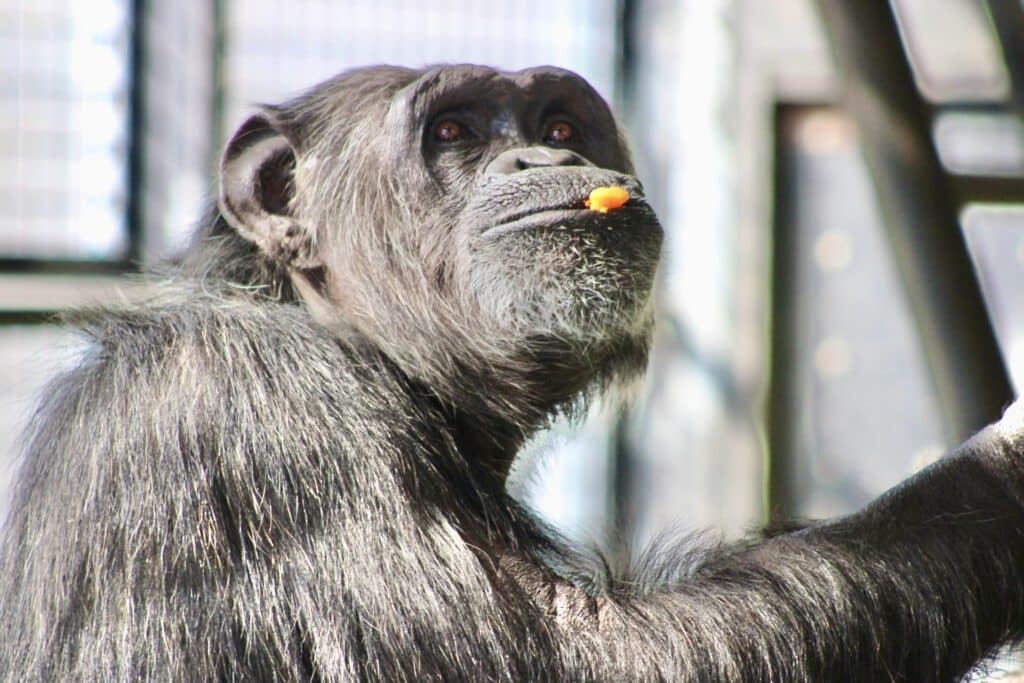
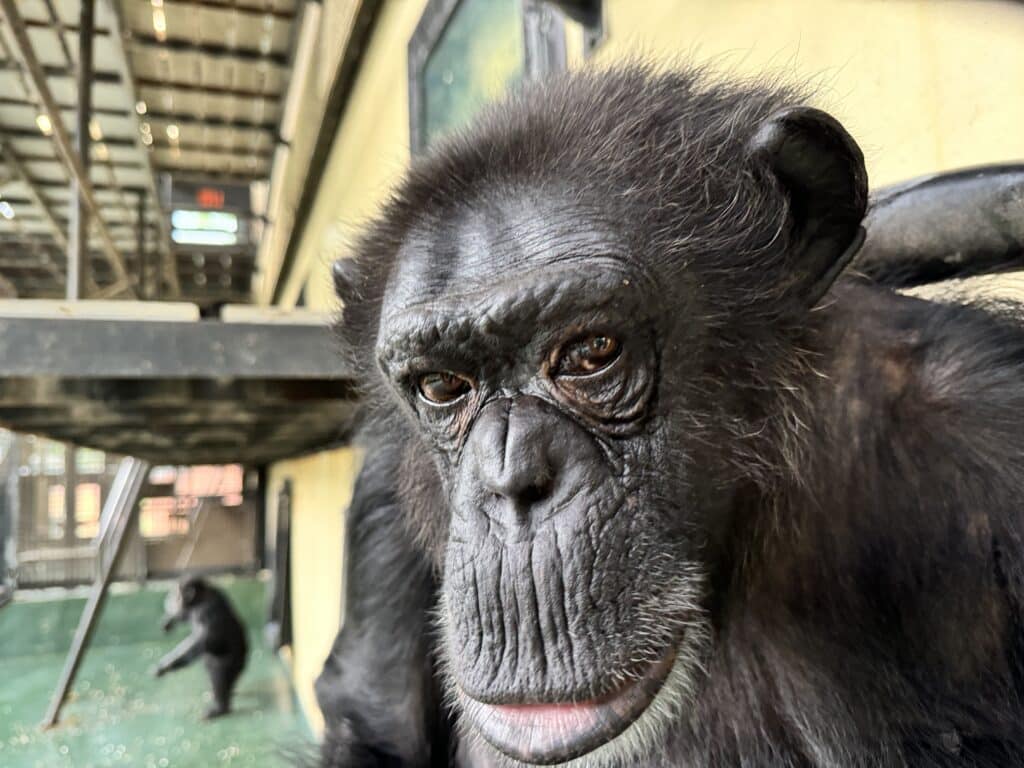
Hollywood: Yes, she does. That’s, very cool. They’re sharing. What is a common misconception you get from people coming to the zoo about chimps?
Kelly: One that, they don’t understand that we don’t go in with them.
Holly L.: Mm-hmm. That’s our number one. Yeah. And then all of a sudden there’s, males displaying or there’s a big fight, and I say, “you would you go in there?” Uh-huh, every time it’s like the chimps you saw on TV are babies, right? Right.
Kelly: Well, that was my first experience. The first time, when I interviewed for my chimp job, I thought, “oh my God, these chimps are so big.” And they were seven and eight, so they were just starting to bulk up, but they were not full grown-ups yet.
Holly L.: Cause everything the public sees is the ones in Hollywood that were little.
Hollywood: Anything else you wanna share?
Kelly: It was very emotional seeing Lindsey and Rosemary. I’m just getting choked up now. I tried to follow where they all went, especially the ones at Yerkes, they just got under my skin and I just could never let go of ’em completely.
And it was so cool. And to be able to have Carmia there initially and then a year later have two more from Yerkes come and, okay, I got part of my family here; you know? But I’ve always wondered about the others and I’ve been really lucky to be able to kind of track some of ’em. I’ve lost track of some and a few have died, but it is really cool to find some.
Some are in a research center, some came to a place like this, some are at Chimp Haven, some are in zoos across the United States. I’m so happy that they didn’t have to live their life in a research center, especially now that they’re not doing any research. It’s just so cool to think of them.
I probably think about Rosemary and Lindsey every day and now I can really picture them here. Thank you.
We were happy to have hosted Kelly’s stay. We hope you enjoyed early photos of Lindsey and Rosemary sprinkled in this blog as well.