Gardens and Grubs: Grounds Maintenance at Project Chimps
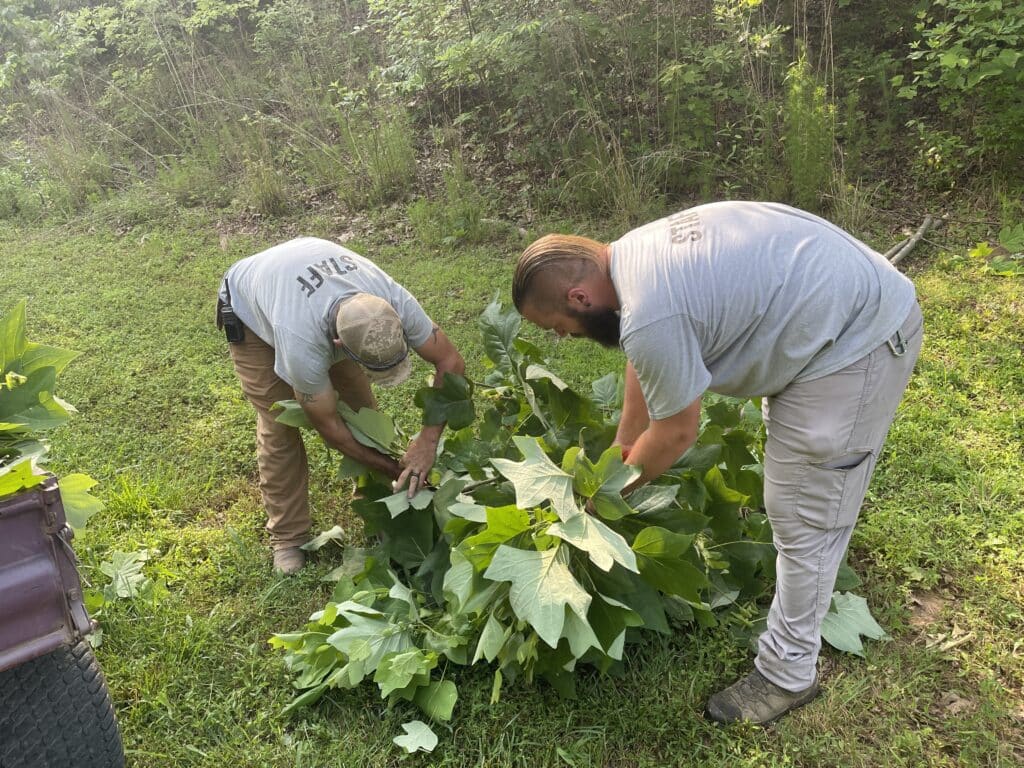
Have you ever wondered what goes into growing gardens and grubs at a chimpanzee sanctuary? Well, it’s a little more than just weeding a few wildflowers and mowing the lawn. With over 95 former research chimpanzees at Project Chimps, we have to ensure their safety as well as our staff. That means knowing which plants are safe to keep around and which ones to throw out. A lot of the grub the chimps get for breakfast, lunch, and dinner comes from our gardens as well, so it’s important the plants are safe to eat, too. No pesticides or parasites are welcome in this sanctuary! So how exactly do we do it?
The Master of Gardens and Grubs
It’s up to vital staff like Zach Taylor, Project Chimps’ Groundskeeper and one of the newest additions to our team.
Being a groundskeeper is a career that goes back centuries in society. Groundskeepers are professionals who care for outdoor spaces like parks, residential areas, campuses, and sanctuaries like Project Chimps. They tend to the appearance, functionality, and safety of such spaces so that you and others can enjoy them to their fullest, without fear of a branch falling or root tripping someone.
Zach’s responsibilities at Project Chimps follow these same tasks, with the addition of some funky friends. Before coming to Project Chimps, Zach worked at the Brevard Zoo in Florida and other landscaping jobs. His love for the outdoors drew him to working outside, eventually leading to working around wildlife. His experience cleaning enclosures and keeping these animals in mind brought him to our doorstep; something we’re immensely thankful for!
Types of Grubs in the Garden
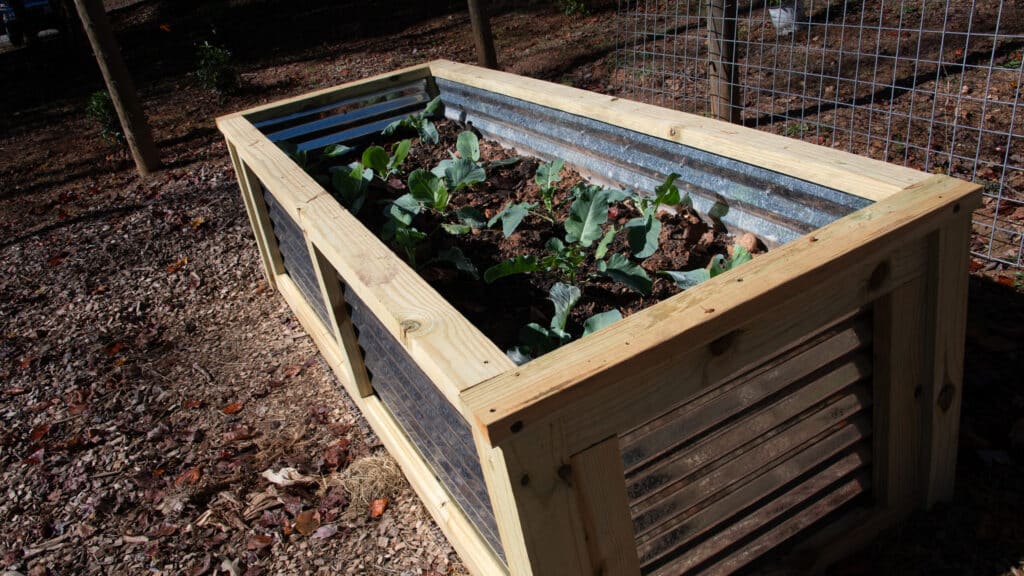
As well as ensuring the grounds are clean and well kept, Zach will oversee the garden growth for the chimps come the growing season in Georgia. This season, between the months of late May to October, will be perfect for the hardy greens the chimps love.
While most produce for the chimps comes from the local Fosters, a GeorgiaGrown produce distributor near Project Chimps, a good bit comes from our native flora. Georgia’s native sourwood and tulip poplars are popular preferences at the sanctuary gardens thanks to their hardiness of lasting through winter’s freezes, according to Zach. Tree bark is a large part of wild chimpanzee diets, so we’re glad to be able to provide them with that here.
Other natural plants are usually backdrops in the outdoor habitats. Kept regularly trimmed, they may seem ornamental, but they serve an additional purpose at the sanctuary. Chimps naturally build nests to sleep in comfortable places. Inside the villas they often use blankets and stuffies, while outside they use more plant material like they would in the wild. That’s why the variety of plants in the habitats are important, serving to encourage the natural behavior of our residents.
Making Food of the Enemy
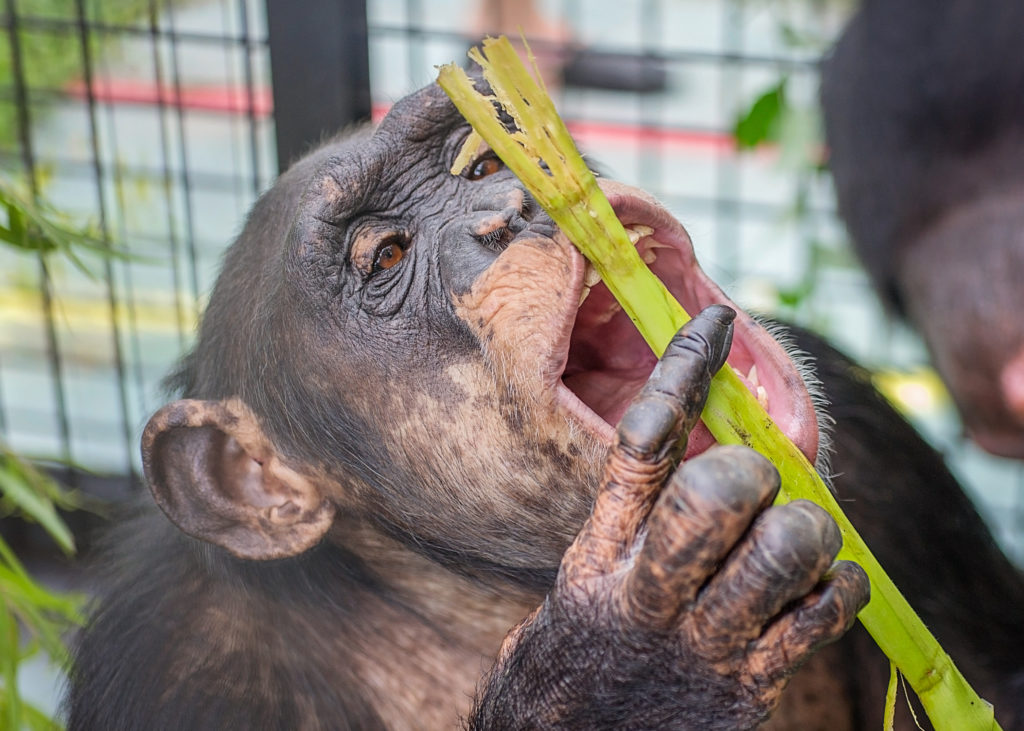
Invasive species can be used for the chimps, too! If you’re a gardener, you may have heard that bamboo is not always the most welcomed guest in a garden. That’s because when bamboo was first introduced to the U.S., it went wild. Outside of the many species, there are two types of bamboo: running and clumping. Clumping bamboo does what it sounds like: it clumps up in one spot and stays there. Running bamboo is the opposite. It can grow new shoots up to 20 feet away from the original clump. Notorious for being hard to remove, having a variant that can spread three to five feet every year makes bamboo a heck of an enemy for gardeners. But at Project Chimps, we’ve found bamboo is an excellent addition to the chimps’ gardens and grubs!
Bamboo is high in fiber and protein, as well as a good source of other nutrients intelligent creatures need to keep their gears turning. But that’s not the best part for these quick-thinking tool-users. The chimps’ habitats contain puzzle feeders and artificial termite mounds chock full of tasty treats. The name of the game is to use a long stick, twig, or perhaps a bamboo shoot, to reach into little holes and scoop out a sweet morsel. The lucky chimp might get a taste of jelly or peanut butter. These feeders are tools the sanctuary uses to encourage more instinctive behaviors, since chimps in the wild would use the same methods to score some food from a real termite mound.
Volunteer in the Garden
Now for the real question. How can you help contribute to the chimps’ gardens and grubs? Well, there are lots of ways to get involved! If you happen to live locally and keep your own garden of fruits and veggies, we’d love any extras you might have! Our browse list has a list of vegetables and plants that the chimps love eating. They only accept fresh pickings though, so it’s important to call and schedule a drop off before grabbing your shears. Another way you might help is to volunteer. Project Chimps are always looking for more volunteers with everything. You can help Zach keep the grounds clean and kept, or volunteer in chimp care and sort through the browse options so no yucky pesticides can reach the chimps.
For any non-local readers who want to contribute, there are plenty of other alternatives. Our Ways to Donate page has every way you can help us take care of our residents, from sponsoring chimps to vehicle donation – there’s even an Amazon Wishlist with needed items you can buy for the sanctuary!
Whether it’s learning to grow a garden or sorting through fresh greens for some lucky primates, there is always something new to discover.
Thinking about trying something new? Check out our volunteer opportunities and apply today!