

Sponsor an Endangered Animal: Former Research Chimpanzees
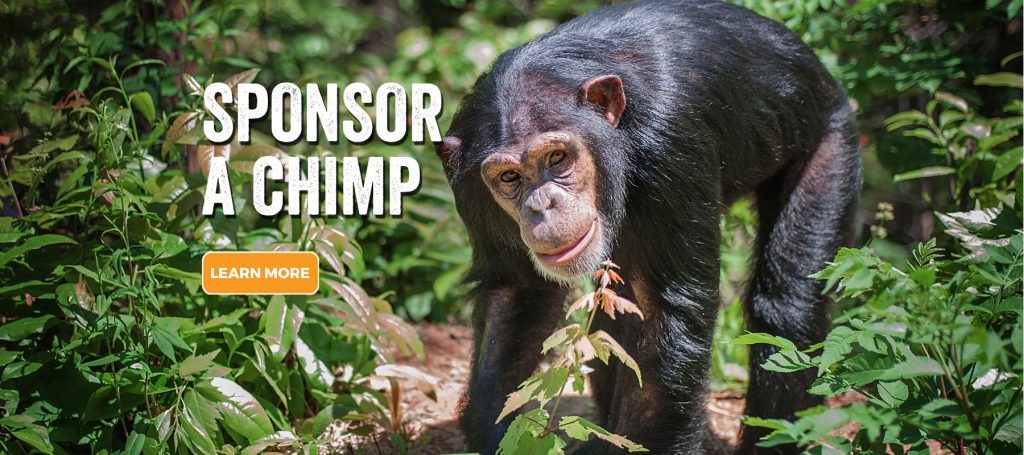
When most people look to sponsor an endangered animal, former research chimpanzees likely aren’t the first to come to mind. Protecting biodiversity is critical to caring for the planet and the many species we share it with, which is also why most conservation action focuses on defending wildlife and the places they live, such as through symbolic species adoption.
But what about animals who never had the chance to live in their native habitats? Are animals who have only lived in captivity still endangered?
Although the answer is yes, the US Fish and Wildlife Service didn’t always think so. Before 2015, wild and captive chimpanzees were separately classified under the Endangered Species Act for almost 30 years. But why is that, and can you really sponsor an endangered animal by supporting former research chimps?
Chimpanzees and the Endangered Species Act (ESA)
Before they were separately classified in 1990, all chimpanzees were listed as threatened under the Endangered Species Act in 1976 based on several different factors, including disease, habitat destruction, capture for use in research labs and zoos, and trouble enforcing laws designed to protect wild chimpanzees.
But while all chimps were listed, not all chimps were protected under the ESA. Because they weren’t yet recognized as an endangered species, blanket endangered species protections didn’t apply. Instead, the FWS created a species-specific rule stating general threatened species protections would apply “except for live animals of these species held in captivity in the United States” their descendants, and descendants of animals legally imported after the rule went into effect.
Still, wild chimpanzee populations continued to decline, leading to a 1987 petition urging the FWS to reexamine their conservation status. In 1988, they found reclassification was warranted, but only “with respect to chimpanzees in the wild.”
In 1990, the US Fish and Wildlife Service introduced a split-listing separating wild and captive chimps into two species. While wild chimpanzees would have full protections under the ESA, captive chimps would remain threatened.
Why Were Captive Chimps Classified Separately?
Chimpanzees were in high demand at the time, which ultimately impacted the FWS’s ruling.
According to the FWS, their intention was to “facilitate legitimate activities of research institutions, zoos, and entertainment operations.” Chimps who were born in the US or imported before 1976 had no protections under the ESA. This was especially important for biomedical research institutes who had been breeding chimps for years.
Instead, most chimpanzees in the United States today were bred specifically for biomedical research. Because we share so much of our DNA and can be affected by many of the same diseases, chimpanzees were considered “ideal” research subjects for decades.
Although captive breeding and reintroduction have aided species conservation before, that wasn’t a goal for these programs. The FWS believed self-sustaining captive populations could enhance chimpanzee survival by removing demand for wild chimpanzees. There were no plans to reintroduce them into the wild, and it wouldn’t have been safe or effective to try.
The Unique Situation of Former Research Chimps
In 2015, the US Fish and Wildlife Service determined they could not assign separate statuses to chimpanzees based on captivity. Later that same year, the NIH announced it would no longer fund biomedical research on chimpanzees. All chimps, regardless of their country of origin, now had full protections under the Endangered Species Act.
Now officially recognized as an endangered species, former research chimpanzees were in an unusual situation. They couldn’t be released into the wild, but they also couldn’t remain in labs.
In 2014, Project Chimps reached an agreement with the largest private primate research center in the US (NIRC) to provide sanctuary to all chimpanzees living at the center. As of 2024, Project Chimps currently cares for 95 former research chimpanzees, with plans to bring almost 100 more to sanctuary over the next several years!
Sponsor an Endangered Animal in the United States
An estimated 1,272 chimpanzees currently live in the United States, most of whom will live between 50-60 years in captivity. Specialized chimpanzee sanctuaries provide essential care to US chimpanzees from research, entertainment, and the exotic pet trade. In addition, most also don’t receive government funding, relying on the support of donors to continue running.
Because these chimps were born outside of their native habitat, they were denied endangered species protections for decades. When you sponsor an endangered animal at Project Chimps, you help former research chimps make choices they never could before.
Want to learn how you can sponsor an endangered animal from a background in biomedical research? Click here to find out how you can make a difference for former research chimps!